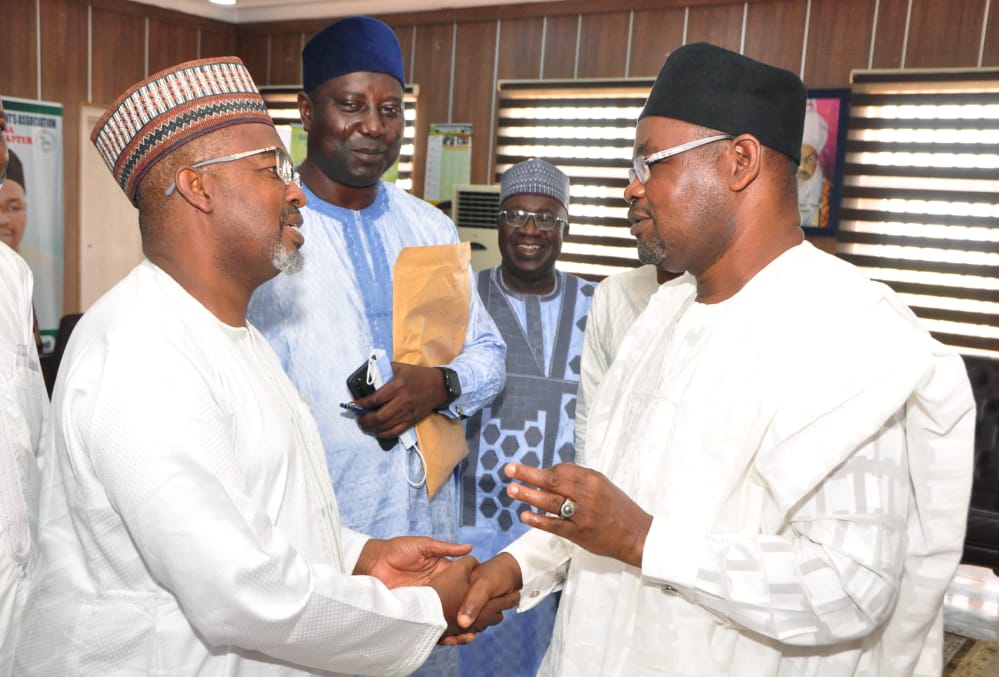
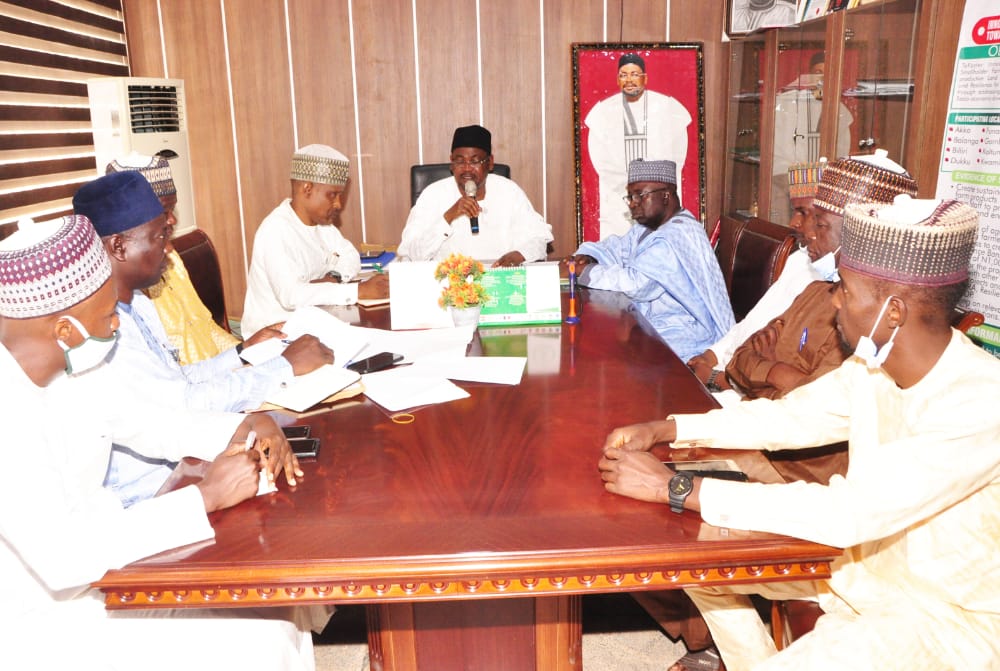
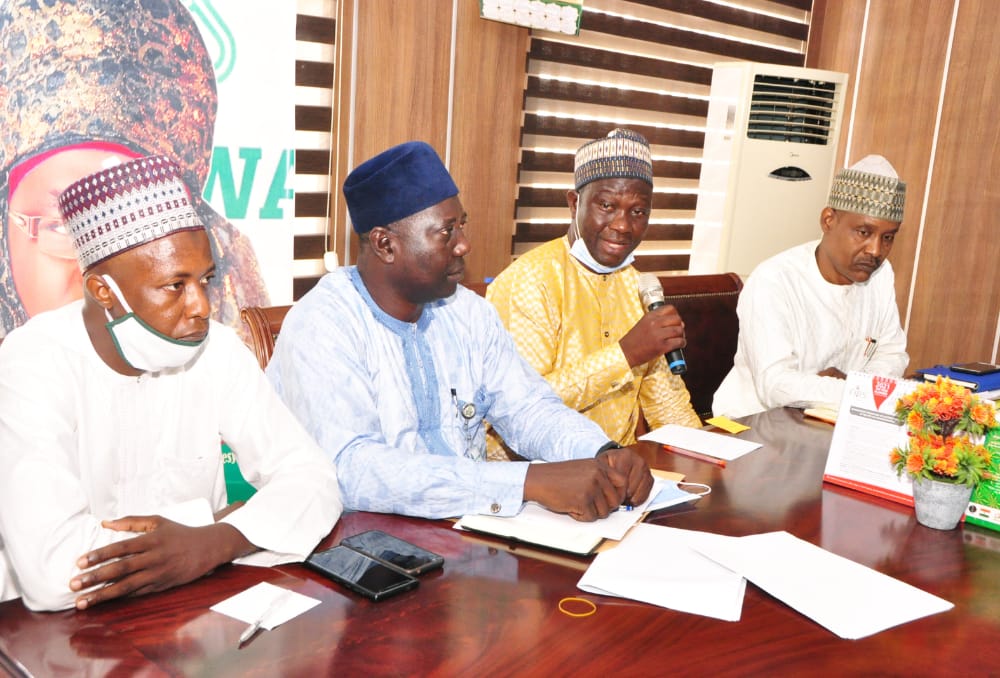
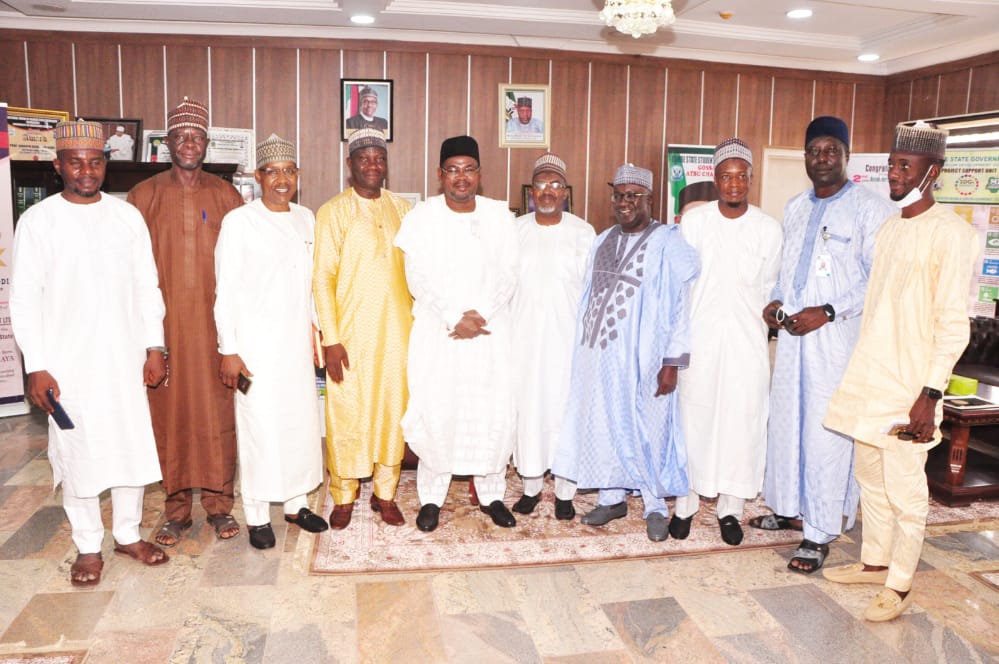
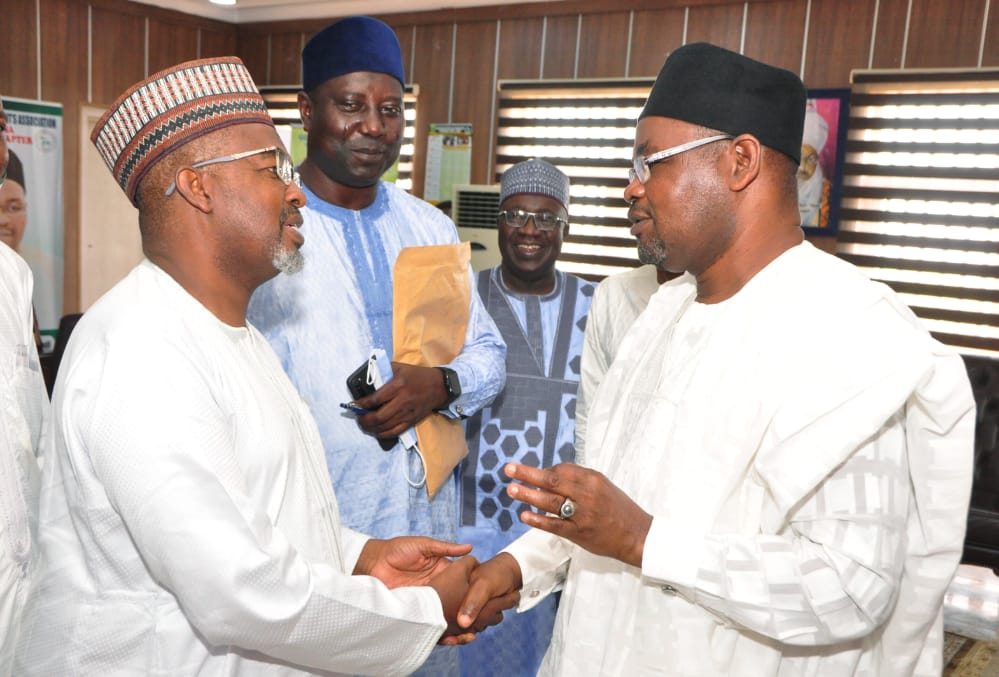
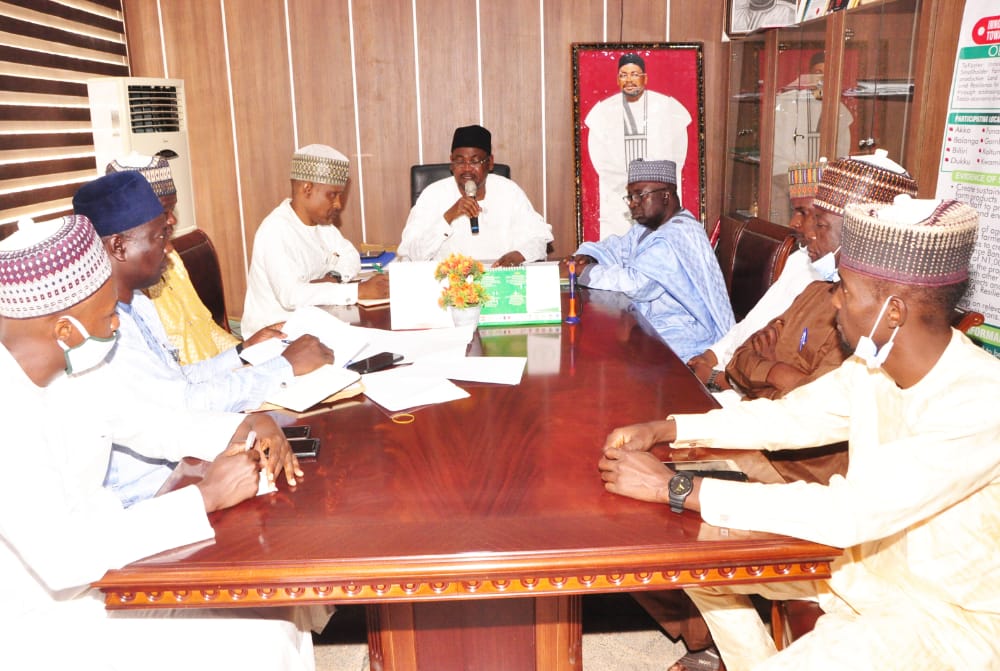
The Secretary to the State Government (SSG) Professor Ibrahim Abubakar Njodi has tasks Members of the Financial Inclusion State Steering Committee (FISSCO) to leave up to their responsibilities, maintaining that the 10,207 figures of Account opening against the 75,240 target in the State is unacceptable.
Professor Ibrahim Abubakar Njodi stated this after receiving briefs from the steering Commitee about it’s activities in his office on Friday.
The SSG who challenge members of the Committee to be up and doing in other to close the gaps in Account opening said enrollment should not have been tight to FISSCO week but that, the Committee would have taken advantage of the Federal Government various Social intervention Programmes as well as used other strategies as applied in banks to register many members.
” Let me lament that, I am not a happy person on the activities of FISSCO in Gombe, yes Covid 19 came but, Covid did not affect operations of Banks, we could have done so much within that period, my kind of person, I don’t see myself as a failure so, anything you involved me I always want to take it to the best. We shouldn’t have been talking about just 10,000 from the 75,000 target, that is a woeful performance. I must tell you if I get 35,000 which is 35% that is closed to 50% I will not take it, I would have target 60-70% and nothing less” the SSG noted.
While calling on them to be proactive, Professor Njodi adviced them to build relationships and trust in all their dealings as Governor Muhammadu Inuwa Yahaya’s led Government is built on trust.
” What is there about Banking is about trust and relationships People tend to see you more, here you are having a Government that is transparent and trust worthy, People trust this Government anywhere you can think of, you could have leverage on this trust to be able to succeed”
Also speaking the Special Adviser Budget Planning and development Partners Co-ordination Dr.Isiyaku Mohammed stressed the importance of the Programme saying the financial inclusion is one of the avenues of empowerment which is in line with the present administration priority to ensure that people especially women are better empowered.
Presenting the report, the Secretary of FISSCO Audu Baba Isah said,Gombe State along with other states were selected by the Federal Government in 2019 and was given a target of 75,240 people to have an account.
He said they have engage 17 money Banks, 6 money market bank and 28 financial Banks for the excise and have recorded a total of 10,207 across the 11 Local Government of Gombe State.
In his remarks the Branch Controller of the Central Bank of Nigeria Gombe, Shehu Alhaji Goringo said the Programme is not only to the State but the County in general aimed at opening of account to enable citizens benefits from government social empowerment programs which requires an account and BVN.
He appreciates the SSG for his wise counsel and assured him of improving on it. “You have put us on our toes and I assure you we will improve on our activities” Goringo stated.
Joshua Danmalam Information Officer SSGs office. 12/11/21
The Secretary to the State Government (SSG) Professor Ibrahim Abubakar Njodi has tasks Members of the Financial Inclusion State Steering Committee (FISSCO) to leave up to their responsibilities, maintaining that the 10,207 figures of Account opening against the 75,240 target in the State is unacceptable.
Professor Ibrahim Abubakar Njodi was stated after receiving briefs from the steering Commitee about it’s activities in his office on Friday.
Njodi who challenge members of the Committee to be up and doing in other to close the gap in Account opening said enrollment should not tight to FISSCO week but that, the Committee should take advantage of the Federal Government various Social intervention Programmes as well as used other strategies being applied in banks to register as many members.
” Let me lament that, I am not a happy person on the activities of FISSCO in Gombe, yes Covid 19 came but, Covid did not affect operations of Banks, we could have done so much within that period, my kind of person, I don’t see myself as a failure so, anything you involved me I always want to take it to the best. We shouldn’t be talking about just 10,000 from the 75,000 target. That is a woeful performance. I must tell you if I get 35,000 which is 35% that is closed to 50% I will mot take it, I would have target 60-70% and nothing less” the SSG noted”.
While calling on them to be proactive Professor Njodi adviced them to build relationships and trust in all their dealings as Governor Muhammadu Inuwa Yahaya’s led Government is built on trust.
” What is there about Banking is about trust and relationships People tend to see you more, here you are having a government that is transparent and trust worthy, People trust this government anywhere you can think of, you could have leverage on this trust to be able to succeed”
Also speaking the Special Adviser Budget Planning and development Partners Co-ordination Dr.Isiyaku Mohammed stressed the importance of the Programme which according to him is a linkage to actual development.
He said the financial inclusion is one of the avenues of empowerment which is in line with the present administration priority to ensure that people especially women are better empowered.
Presentation a report, the Secretary of FISSCO Audu Baba Isah said Gombe State along with other states were selected by the Federal Government in 2019 and was given a target of 75,240 people to have an account.
He said they have engage 17 money Banks, 6 money market bank and 28 financial Banks for the excise and have recorded a total of 10,207 across the 11 Local Government of Gombe State.
In his remarks the Branch Controller of the Central Bank of Nigeria Gombe, Shehu Alhaji Goringo said the developmental objectives of the Programme is not only to the State but the County in general and Gombe State is backward hence the inclusion of the State in order to improved its financial inclusion status.
He appreciates the SSG for his wise counsel and assured him of improving on it. ” You have put us on our toes and I assure you we will improve on our activities” Goringo stated.
Joshua Danmalam Information Officer SSGs office. 12/11/21
Gombe State Governor, Muhammadu Inuwa Yahaya ( Dan Majen Gombe) has constituted the Board of Gombe State Water Board ( GSWB) and approved the appointment of Engr. Yakubu Abdulkadir Rasheed as Chairman.
The Secretary to the State Government, Professor Ibrahim Abubakar Njodi who conveyed the Governor’s approval, also announced the following as members of the Board: Alh. Ali Buba Bajoga, Umar Alh. Jurara, Alhassan Malam Gana, Moh’d Abubakar Musa Bomala and Badamasi Ali Kurjale. Others are: Hon Isaac Lamido, Comrade Abubakar Musa Toly and Abdullahi Dogonyaro Gundale.
The Governor has also approved the appointment of Ibrahim Musa Bakas as Special Adviser (Special Duties), Umar Chiroma Abdussalam ( Deputy Chief of Staff- Gombe North), Hon. Jani Adamu Bello ( Deputy Chief of Staff- Gombe Central) and Hajiya Sa’adatu Sa’ad Mustapha as Director-General (Protocol and Facility Management).
According to the SSG, Governor Inuwa Yahaya has set up Project Implementation, Monitoring and Evaluation team and appointed Prof. Namala Amuga Keftin as Special Adviser, Arc. Aminu Mohammed and QS. Alkali Abubakar, mni as Senior Special Assistants 1 ( SSAs 1) while Engr. Dan Naptali and Engr. Muhammed Dauda Abubakar serve as Senior Special Assistants II ( SSAs II)
All the appointments take immediate effect.
Ismaila Uba Misilli Director-General ( Press Affairs) Government House Gombe
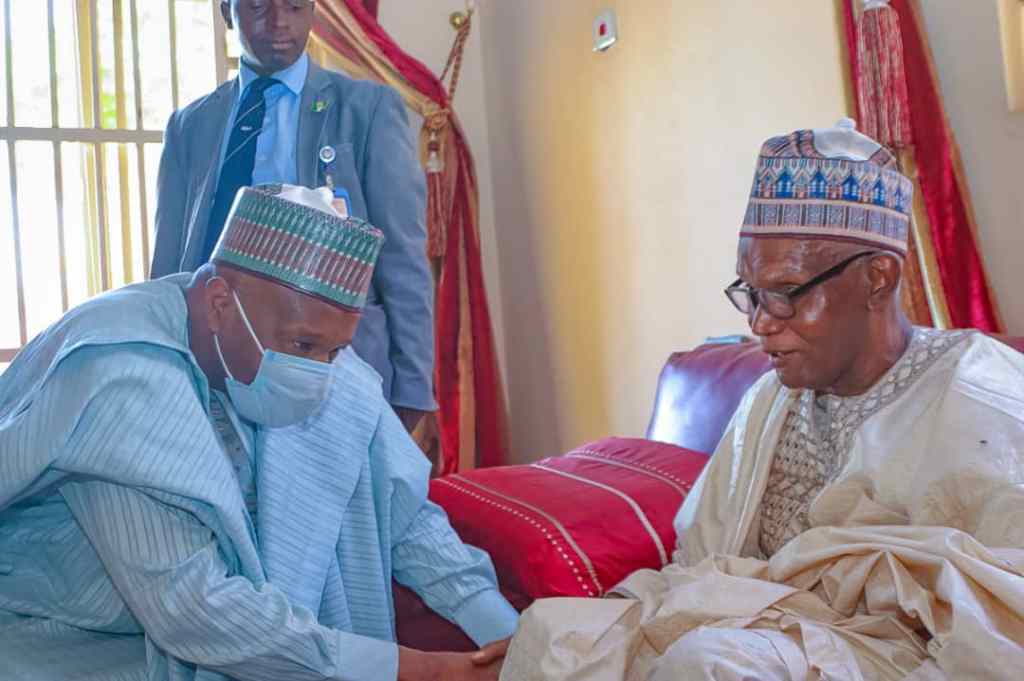
Governor Muhammadu Inuwa Yahaya, earlier today in Gombe, paid a condolence visit to Alhaji Shehu Turaki ( Dankaden Gombe) over the demise of his son, Murtala Shehu Turaki who died on Saturday in Abuja after a brief illness.
Late Murtala Shehu Turaki was until his death, a staff of Federal Ministry of Power. He left behind one wife and three children.
Governor Yahaya, while consoling Alhaji Shehu Turaki and other members of his family, described Murtala’s demise as a huge loss not only to the Dankade family but to the entire state.
He said, ” The death of a focused and hard working young man at his prime is quite devastating, particularly to his immediate family, associates and indeed the entire state, but Allah’s decree is not questionable. It is therefore our fervent prayer that Almighty Allah Will grant him Jannatul Firdaus and give us all, the fortitude to bear this huge loss”.
The Governor, extended the condolences of government and people of Gombe state to the bereaved and urged them to take solace in the fact that the late Murtala lived a simple and honourable life and was known for his good character as an obedient son and examplary family man.
Governor Yahaya was accompanied on the visit by the Chief of Staff, Abubakar Inuwa Kari, PPS, Usman Kamara and Executive Secretary, Gombe State Muslim Pilgrims Welfare Board, Sa’ad Hassan among other aides.
Ismaila Uba Misilli Director-General ( Press Affairs) Government House Gombe
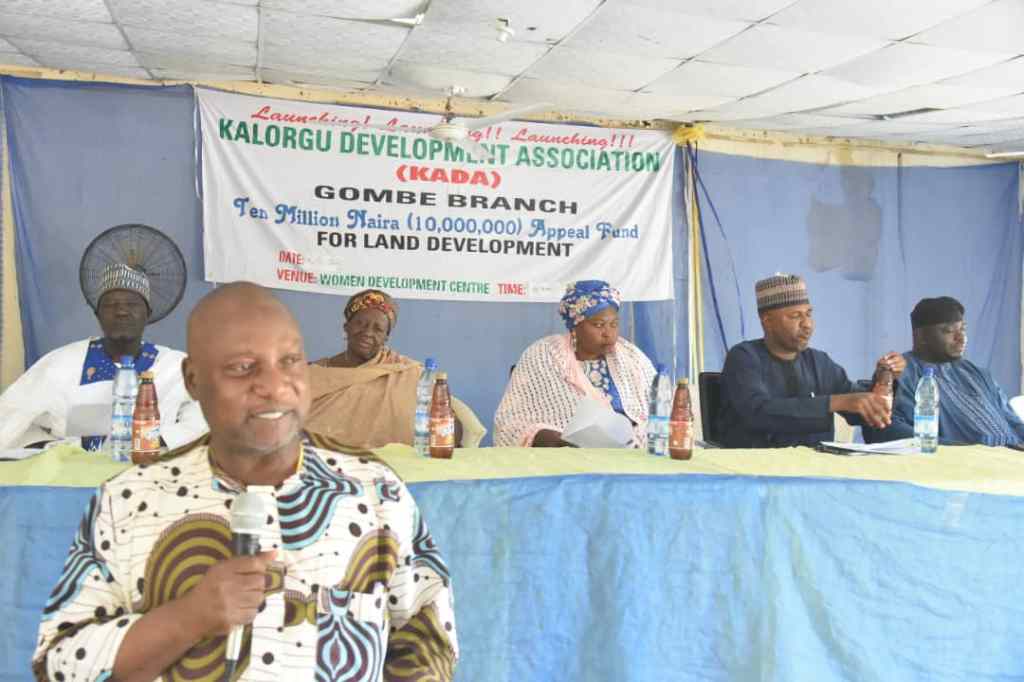
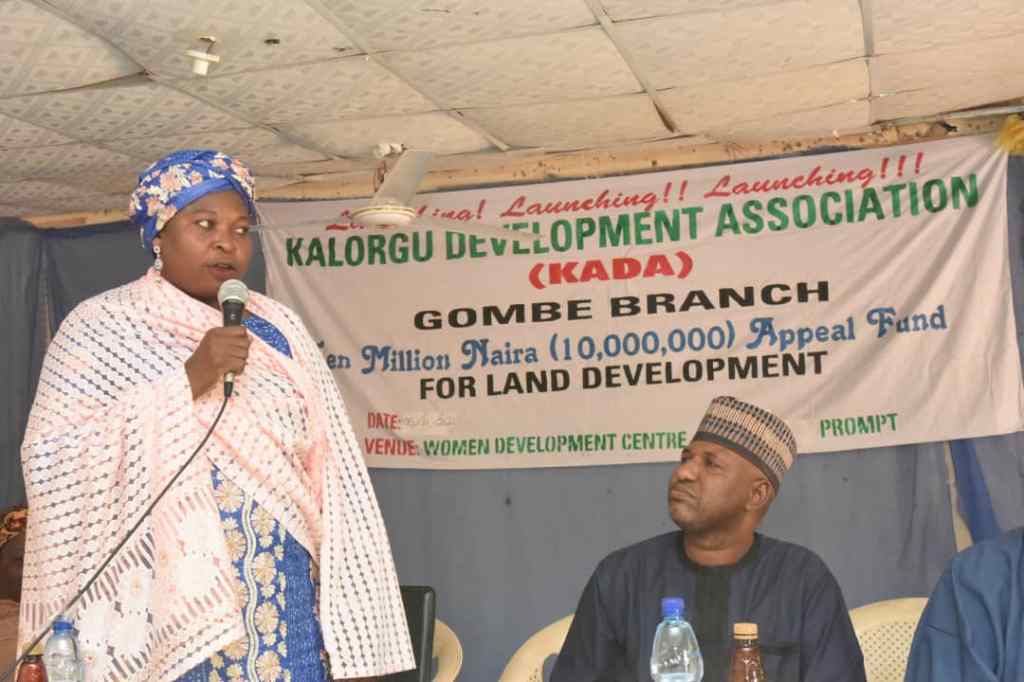
Unity has again been described as a hallmark for any development. Dr Wilson Danbature of the Gombe State University ( GSU) gave this indication Saturday while speaking as a guest speaker at the Fund rising of Kalorgu development Association KADA Gombe branch held at the Woman development Centre.
Speaking on the topic ” Unity as a Panacea for Development” Dr Danbature enjoin the People of Kalorgu to remain united and pursue a common goal aimed at developing the area.
“A united Community is one that have the same Philosophy, Vision, Goals and objectives. It means the individual members have self their interest must align with the societal goals, objectives in other to promote that of the Community”.
“All other interest not in line with that of the Community is set aside. Members do not allow personal interest to take precedence over that of the Community”.
While enumerating factors that brings disunity which include egocentric, unforgiving, unfair treatment, intolerance among others.
He therefore call on Kalorgu Community to show concern, love for one another inrespective of social status.
Earlier Speaking the Chief host of the occasion and Commissioner for information and Culture Julius Ishaya Lapes said, the occasion is to rise funds to build a befitting Hall for the associations activities calling on all to support the communal effort embarked upon by KADA Gombe branch.
Mr. Ishaya lauded Governor Muhammadu Inuwa Yahaya for citing some developmental Projects at Kalorgu, Kaltungo Local Government and Gombe South in general.
Chief launcher at the Occasion Alhaji Anas Musa Commended KADA Gombe branch for embarking on such a developmental project which when Completed will serve as a convenient place for meeting of the Association and Source of revenue to the Association.
Represented by the Permanent Member 3 in the State Universal Basic Education Commission (SUBEB) Comrade Sani Sabo, Alhaji Anas Adamu call for peace, unity and support to Governor Muhammadu Inuwa Yahaya’s led administration.
HE assured of his continued support to the Association just as he donated the sum of five hundred thousand Naira.
Other donors at the ceremony includes Senator B.K Amos, Hon.Julius Ishaya Lapes, Hon Bashir Barau and the guest speaker among others.
….As Governor Inuwa Yahaya Emphasises His administration’s Commitment Towards All-inclusive Budgeting, Governance
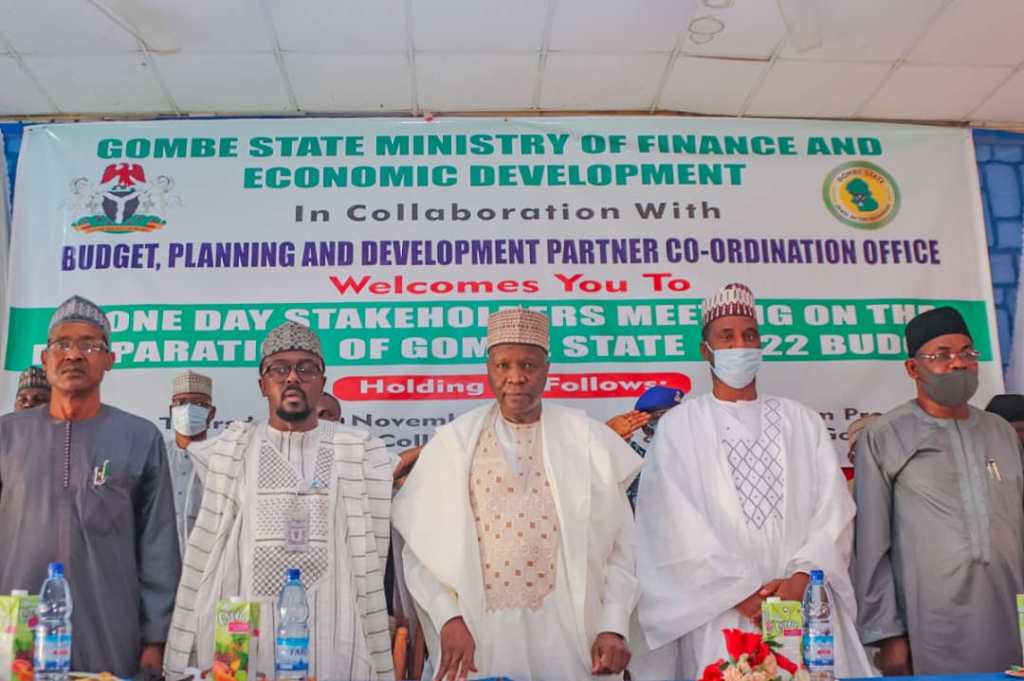
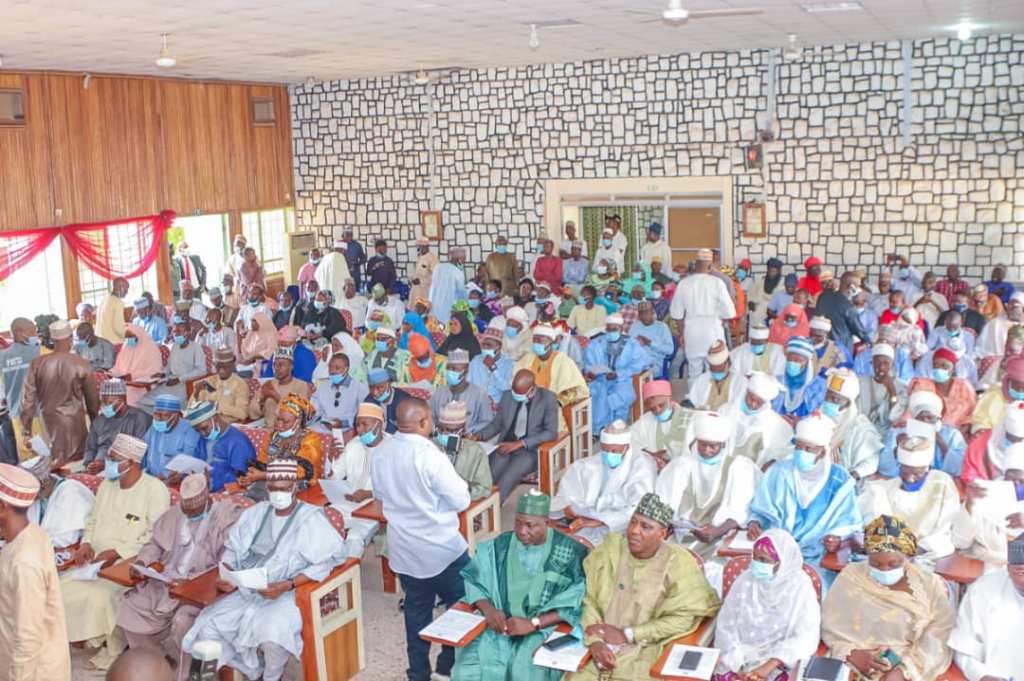
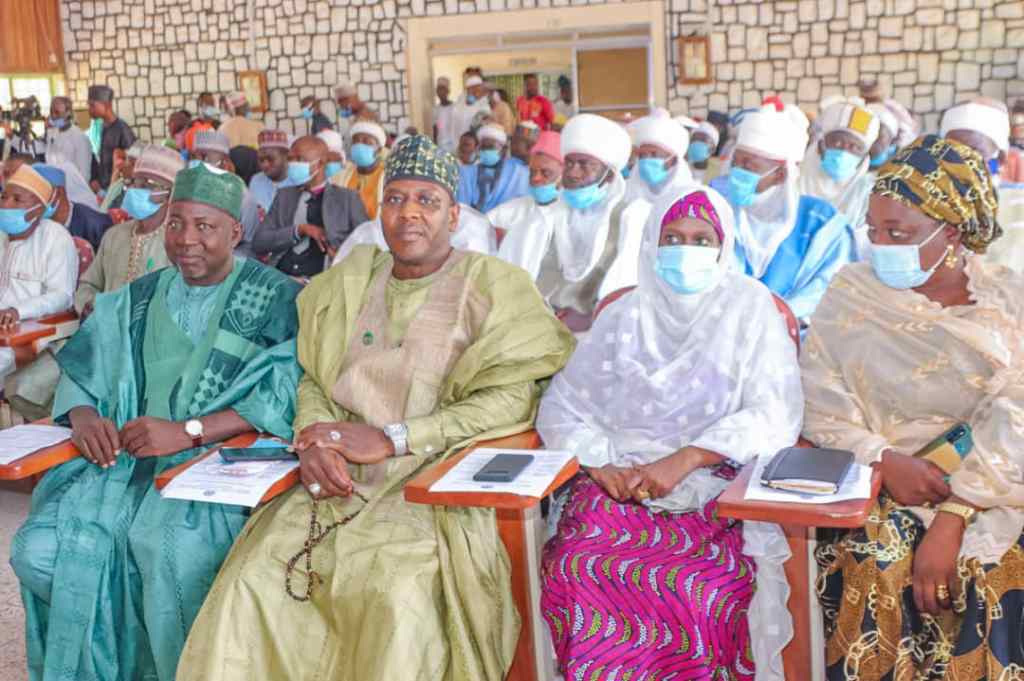
Preparatory to the presentation of the 2022 appropriation Bill to the state House of Assembly, the Gombe state Government has held a stakeholders’ meeting with traditional rulers, community leaders, trade unions, faith-based and non- governmental organisations to harness their inputs in order to ensure an all-inclusive budgeting process.
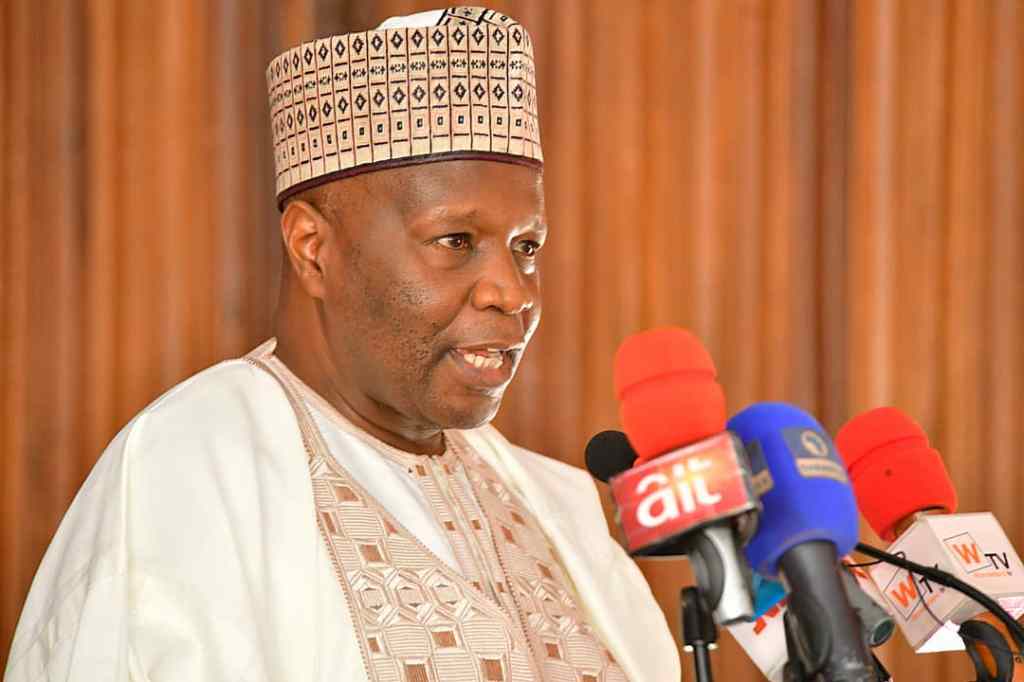
Governor Muhammadu Inuwa Yahaya while declaring open the public engagement, said that since his administration came on board, he made it a policy that the views of the citizens will continue to remain fundamental in policy formulation and implementation because of the firm belief that his government belongs to the people.
Governor Inuwa Yahaya observed that since budget is a projection of financial resources and how such can be applied for the benefit of the people, his administration together with the legislature, the judiciary and the people of the State have over the years maintained a clear understanding on how to work in synergy towards making the State work for everyone.
“The 2022 townhall meeting on budget is the 3rd by this administration and we are determined to maintain the tradition we have entrenched in getting the inputs of all stakeholders in order to ensure ownership and this also goes to demonstrate our commitment to transparency, accountability and good governance.
“You all know as mentioned by the chairman of Appropriations committee, we were ranked number one in terms of creating enabling environment for business to thrive and in transparency and accountability we ranked 7th now instead of where we were by 2019 when we came in”.
He challenged the stakeholders meeting to discuss on what is most beneficial to the people of the State as his administration will not hesitate to implement the resolutions reached at the engagement meeting.
“As at the end of October when we took indices in terms of knowing the performance of our 2021 budget, we clocked 68 percent and by the end of the year, I know we shall reach more than 70 percent; 70 percent in any examination is an A, so we are an A team”.
Governor Inuwa Yahaya however stressed that the Gombe State Government under his leadership is committed towards bequeathing a State that its citizens will be proud of through an all inclusive budget preparation and implementation.
“You will all recall that I had promised upon assumption of office that my administration is committed to ensuring that our people enjoy the dividends of democracy via our focus on the delivery of social service.
“Our priorities are Health, Education, Water supply, Infrastructure and Rural Development. We have consistently maintained this focus and your input during past consultations has guided our march towards making Gombe Great again”.
He said the ten year development plan conceived and being implemented by his administration is the first since the creation of Gombe State and it encapsulates all the 13 human development indices of the Sustainable Development Goals, SDGs.
“Without planning you cannot allocate resources, you may misallocate or even misappropriate but with proper planning and control you know where you are heading to and what you want to achieve”.
The Governor encouraged communities across the State and Stakeholders at the budget engagement meeting who are yet to go through the State ten year development plan to do so in order to appreciate the unwavering commitment of the government towards a systematic development approach.
The Governor used the stakeholders’ meeting to fault the rationale behind spending a whooping 5 billion naira by the immediate past administration to build a Conference Centre, with no bearing on the lives of the people, especially when there are alternative halls for citizens to converge and discuss issues of State and national importance.
“I still can’t understand, at a time when the Northeast zone was facing security challenges, you were building a conference centre that nobody will occupy when the whole of the North East geopolitical zone was facing security challenges and its associated consequences.
Governor Inuwa Yahaya said even upon the completion of the conference facility, the contract for the supply of furnitures that would have facilitated the ease of utilizing it was yet to be done, disclosing that the State may need to expend over five hundred million naira to procure such items benefiting the status of the edifice.
According to him, if his administration does not borrow to complete such abandoned projects, they will come to waste and the people will not derive any benefits from them.
He said his administration was strategising on gathering what was wasted and maximise it for the benefit of the people.
The Speaker, Gombe State House of Assembly, Hon. Abubakar Mohammed Luggerewo thanked Governor Muhammadu Inuwa Yahaya for initiating the stakeholders’ meeting on budget preparation.
He said the stakeholders’ engagement on the preparation of the 2022 budget estimates will go a long way in aggregating the views of representatives of the citizens for an all-inclusive implementation of policies and programmes.
In his goodwill message, Chairman House Committee on Appropriations,.Hon Ali Baba Manu said the governor’s approach towards developmental projects at the grassroots eases their legislative tasks in their respective constituencies.
He pledged absolute support of his committee in ensuring that the document captures what is required.
The Gombe State Commissioner of finance and economic development, Muhammad Gambo Magaji assured citizens of the State that just like the 2021 budget proposal, the present administration of Governor Muhammadu Inuwa Yahaya will equally give heed to submissions contained in the 2022 budget.
In his address of welcome, the Special Adviser on Budget Planning and Development Partners Coordination, Dr. Ishiyaku Mohammed had earlier in an address of welcome said the stakeholders’ meeting on budget preparation was a clear demonstration of the Governor’s disposition to transparency and accountability in governance.
He said consistent physical presence of Governor Inuwa Yahaya in the Townhall Meeting for the preparation of the State presupposes that the Governor is a champion of good governance, transparency and accountability.
Ismaila Uba Misilli Director-General ( Press Affairs) Government House Gombe
….As Governor Inuwa Yahaya Emphasises His administration’s Commitment Towards All-inclusive Budgeting, Governance
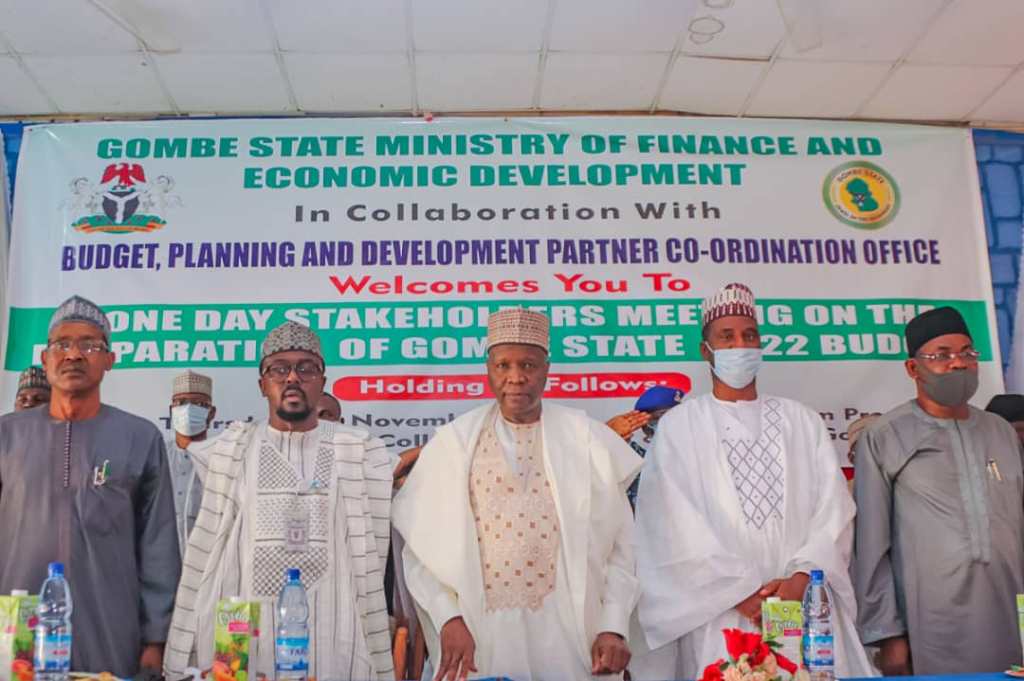
Preparatory to the presentation of the 2022 appropriation Bill to the state House of Assembly, the Gombe state Government has held a stakeholders’ meeting with traditional rulers, community leaders, trade unions, faith-based and non- governmental organisations to harness their inputs in order to ensure an all-inclusive budgeting process.
Governor Muhammadu Inuwa Yahaya while declaring open the public engagement, said that since his administration came on board, he made it a policy that the views of the citizens will continue to remain fundamental in policy formulation and implementation because of the firm belief that his government belongs to the people.
Governor Inuwa Yahaya observed that since budget is a projection of financial resources and how such can be applied for the benefit of the people, his administration together with the legislature, the judiciary and the people of the State have over the years maintained a clear understanding on how to work in synergy towards making the State work for everyone.
“The 2022 townhall meeting on budget is the 3rd by this administration and we are determined to maintain the tradition we have entrenched in getting the inputs of all stakeholders in order to ensure ownership and this also goes to demonstrate our commitment to transparency, accountability and good governance.
“You all know as mentioned by the chairman of Appropriations committee, we were ranked number one in terms of creating enabling environment for business to thrive and in transparency and accountability we ranked 7th now instead of where we were by 2019 when we came in”.
He challenged the stakeholders meeting to discuss on what is most beneficial to the people of the State as his administration will not hesitate to implement the resolutions reached at the engagement meeting.
“As at the end of October when we took indices in terms of knowing the performance of our 2021 budget, we clocked 68 percent and by the end of the year, I know we shall reach more than 70 percent; 70 percent in any examination is an A, so we are an A team”.
Governor Inuwa Yahaya however stressed that the Gombe State Government under his leadership is committed towards bequeathing a State that its citizens will be proud of through an all inclusive budget preparation and implementation.
“You will all recall that I had promised upon assumption of office that my administration is committed to ensuring that our people enjoy the dividends of democracy via our focus on the delivery of social service.
“Our priorities are Health, Education, Water supply, Infrastructure and Rural Development. We have consistently maintained this focus and your input during past consultations has guided our march towards making Gombe Great again”.
He said the ten year development plan conceived and being implemented by his administration is the first since the creation of Gombe State and it encapsulates all the 13 human development indices of the Sustainable Development Goals, SDGs.
“Without planning you cannot allocate resources, you may misallocate or even misappropriate but with proper planning and control you know where you are heading to and what you want to achieve”.
The Governor encouraged communities across the State and Stakeholders at the budget engagement meeting who are yet to go through the State ten year development plan to do so in order to appreciate the unwavering commitment of the government towards a systematic development approach.
The Governor used the stakeholders’ meeting to fault the rationale behind spending a whooping 5 billion naira by the immediate past administration to build a Conference Centre, with no bearing on the lives of the people, especially when there are alternative halls for citizens to converge and discuss issues of State and national importance.
“I still can’t understand, at a time when the Northeast zone was facing security challenges, you were building a conference centre that nobody will occupy when the whole of the North East geopolitical zone was facing security challenges and its associated consequences.
Governor Inuwa Yahaya said even upon the completion of the conference facility, the contract for the supply of furnitures that would have facilitated the ease of utilizing it was yet to be done, disclosing that the State may need to expend over five hundred million naira to procure such items benefiting the status of the edifice.
According to him, if his administration does not borrow to complete such abandoned projects, they will come to waste and the people will not derive any benefits from them.
He said his administration was strategising on gathering what was wasted and maximise it for the benefit of the people.
The Speaker, Gombe State House of Assembly, Hon. Abubakar Mohammed Luggerewo thanked Governor Muhammadu Inuwa Yahaya for initiating the stakeholders’ meeting on budget preparation.
He said the stakeholders’ engagement on the preparation of the 2022 budget estimates will go a long way in aggregating the views of representatives of the citizens for an all-inclusive implementation of policies and programmes.
In his goodwill message, Chairman House Committee on Appropriations,.Hon Ali Baba Manu said the governor’s approach towards developmental projects at the grassroots eases their legislative tasks in their respective constituencies.
He pledged absolute support of his committee in ensuring that the document captures what is required.
The Gombe State Commissioner of finance and economic development, Muhammad Gambo Magaji assured citizens of the State that just like the 2021 budget proposal, the present administration of Governor Muhammadu Inuwa Yahaya will equally give heed to submissions contained in the 2022 budget.
In his address of welcome, the Special Adviser on Budget Planning and Development Partners Coordination, Dr. Ishiyaku Mohammed had earlier in an address of welcome said the stakeholders’ meeting on budget preparation was a clear demonstration of the Governor’s disposition to transparency and accountability in governance.
He said consistent physical presence of Governor Inuwa Yahaya in the Townhall Meeting for the preparation of the State presupposes that the Governor is a champion of good governance, transparency and accountability.
Ismaila Uba Misilli Director-General ( Press Affairs) Government House Gombe
By Professor Sola FAJANA Former Vice Chancellor, Joseph Ayo Babalola University, Ikeji Arakeji Department of Employment Relations and Human Resource Management, University of Lagos, Akoka, Yaba, Lagos-Nigeria.
“No man is an island entire of itself; every man is a piece of the continent, a part of the main…” John Donne (1572-1631)
Professor Ibrahim Abubakar Njodi and I spent a few years together as members of the Association of Vice Chancellors of Nigerian Universities (AVCNU). We however came into closer contact in 2017 when he paid a visit to Professor T A Olowokure, a professor of Accounting serving at Joseph Ayo Babalola University (JABU), where I was the then Vice Chancellor. Professor Olowokure had worked meritoriously at the University of Maiduguri in the 1980s, up to the level of Deputy Vice Chancellor, and was enjoying his retirement through visible contributions to the growth and development of JABU from 2010 up to 2018 and beyond.
The action of Professor Njodi to visit JABU to see his former DVC was symbolic and worthy of emulation. In some private sector organisations, notably in the Nigerian oil sector, a practice has emerged whereby retired staff are exposed to welfare packages that assured employees of a pleasant retirement. This motivation strategy works positively not only for retired staff, but also serving employees.
With the assurance that post-work life will not be characterised by trauma and poverty arising from a deceleration in the quality of life after retirement, current employees could concentrate on their jobs and leave the future into the hands of a caring employer. As a student of human resource management, this was the model that came to my mind on that beautiful day when Professor Njodi showed up at JABU to look for Professor Olowokure, who in 2017 was already in his late 80s. I learnt quite a lot from that visit. I would mention just a few of the lessons.
No man is an island. No university can afford to be an island; and no vice chancellor as the prime face of his university can afford to be an island. There must be networks and interconnecting bridges. Bridges must be built at interpersonal and organisational levels. Universities as universal institutions must build bridges which could be future connectors to fortunes with old students, current and old staff, high networth individuals, royalty, contacts and networks, local and abroad. It is evident that most of the achievements of Professor Njodi while in office as Vice Chancellor at University of Maiduguri are to be explained by his adopted bridge-building strategies. Thus, we found building projects, hostels, roads, and kindred donations given to the University of Maiduguri because Professor Njodi did not absolve himself into an island, but systematically built and maintained critical bridges with significant stakeholders.
On 02 May 2019, I was privileged to give a public lecture at the University of Maiduguri. I accepted with utmost enthusiasm the invitation to give the lecture which was part of the activities marking the successful completion of the vice chancellorship of Professor Njodi,. This was an eager response to a very good turn which proverbially is said to deserve another. If the VC had visited JABU, far back in 2017; then the least I could do was to maximise the opportunity of the invitation to lecture, ignore the security challenges of the environment, and return the visit of a good man, celebrate him and showcase him as a man of integrity whose pleasant lifestyle and productive bridge building could be recommended to other chief executives.
While some leaders get into exalted positions and remove the ladder (or bridge) that facilitated their advancement, so that others would be delayed or even denied, Professor Njodi would always pursue, prosecute and promote the advancement of others in his role set. Staff, students and other members of the Unimaid community copiously testified to this character of Professor Njodi. A vice chancellor who routinely engaged in dancing with his staff and students at university functions, cannot but be awarded the title of most-student friendly vice chancellor, because he insisted on maintaining the bridge of friendship and excellent human relations he had built with his students and staff. There are about four major trade unions in Nigerian universities. Staff unions in most progressive organisations, including universities, characteristically pursue the ideals of social justice, equity, and fairness, as they struggle to achieve the best welfare dividends for their members. A method of building bridge with staff unions is for a chief executive to be sensitive and responsive to the feelings and challenges of workers, follow the path of honour by being accountable with funds, prudent and judicious in spending, and obtaining value for money when public funds are being expended and for the purpose for which the funds were collected in the first place. Professor Njodi did excellently well in all of these. I learnt reliably that he recovered funds that would otherwise have been looted and applied same to create a structure that remained a historical landmark on the campus. Congratulations: that’s what great bridge builders do. I took a guided tour of the campus upon my arrival on 01 May 2019. I noticed the serenity of the environment, the campus roads were well paved with asphalt, lighted with solar panels, aside from old buildings that had been renovated, and several new projects that were visible campus wide. But more importantly were the ongoing building of roads with construction equipment visibly dotting major roads.
This time was the twilight of the tenure of the vice chancellor, who had only a few more weeks in office. Again, I was persuaded that only a vice chancellor who believed unrepentantly in building bridges would do this. These last set of projects may not even be credited to him. Nevertheless, he continues to spend quality supervision time and energy to ensure that his successor would inherit a healthy institution. Memories of my visit to the University of Maiduguri in May 2019 would for a very long time remain evergreen. If permitted, I shall make my testimony available to business schools around the world as ‘a case study of a man whose life mission is to build bridges’. I wish to congratulate Vice Chancellor Njodi for allowing himself to be used to do all of these things for humanity.I wish to congratulate even more the leadership of this institution, and the staff and the students for availing the vice chancellor a conducive and peaceful environment to do that which he was passionate about. Without the cooperation of the community, it may have been very traumatic to accomplish so much, especially in a security challenged environment. Congratulations to all. I wish the legacies of teamwork, bridge building between town and gown, between units within the university; legacies of equity, fairness, justice, accountability, prudence and resultbased management, generously released to the University of Maiduguri by Professor Njodi and his team, will subsist for sustainable development of the University.
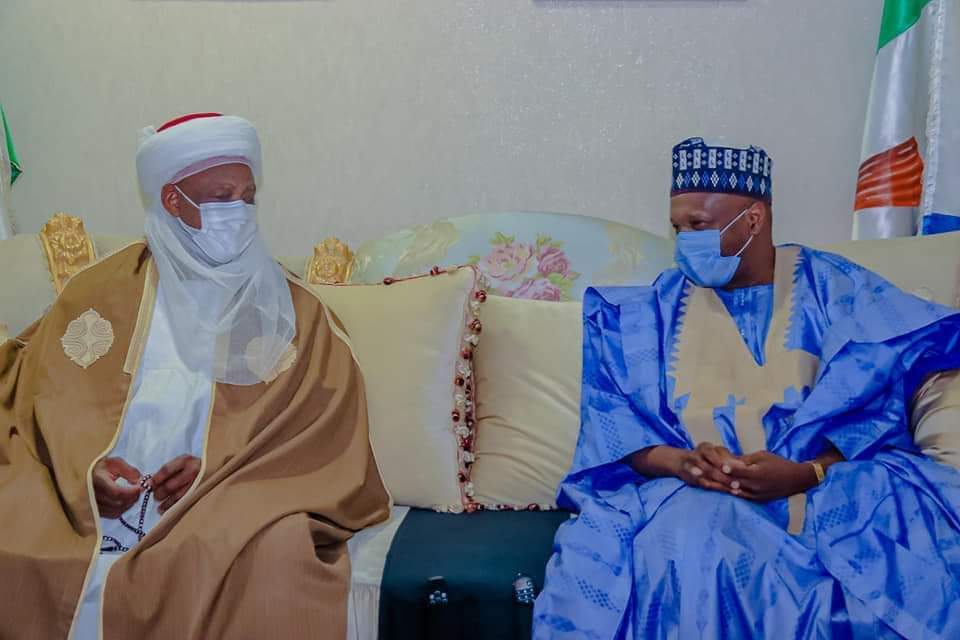
Gombe State Governor, Muhammadu Inuwa Yahaya, has extoled the virtues of the Sultan of Sokoto, Muhammad Sa’ad Abubakar III, on his 15th anniversary on the throne, saying his reign as the spiritual leader of muslims in Nigeria has brought about unprecedented peace among the people of all faiths in the country.
In a goodwill message to the royal father, the governor recalled what he described as the significant roles played by the Sultan in ensuring that the interest of Nigerians is taken care of and that the spirit of cooperation, communal living and peaceful co-existence is preserved.
He said, “On behalf of the government and good people of Gombe State, I congratulate and felicitate with our revered religious and traditional leader, His Eminence, Muhammad Sa’ad Abubakar III, the Sultan of Sokoto and President General of the Nigerian Supreme Council for Islamic Affairs (NSCIA), on the occasion of his 15th anniversary since ascension to throne as the 20th Sultan of Sokoto.
“His reign as the spiritual leader of all Muslims in Nigeria has brought about unprecedented peace not only among the Muslim Ummah, but across Nigeria.
“As the custodian of culture and traditions, he has played significant role in ensuring that the interest of his subjects is taken care of and that the spirit of cooperation, communal living and peaceful co-existence is preserved.
“I will seize this opportunity to urge His Eminence to continue to help in fostering peace and harmony in order to help the nation and leaders in the effective discharge of their duties in government.
“We in Gombe State rejoice with His Eminence on this very auspicious day and wish that your peaceful reign will last throughout generations to come as you continue to provide us the much desired leadership we have seen in the last 15 years,” Governor Yahaya added.
Ismaila Uba Misilli Director-General ( Press Affairs) Government House Gombe
Abstract With the continued increase in armed criminality in Nigeria, poorly fortified public places such as schools are seen as “soft” and favourite targets of attacks by bandits, kidnappers, terrorists, militants, and other criminal groups. In recent times, direct attacks on schools by armed militants have resulted in the killing and abduction of hundreds of school children and teachers as well as the destruction of school buildings and learning materials.
With schools becoming increasingly vulnerable to insecurity, educating our children has become a serious challenge. The attendant effects of insecurity on the development of education in a country that is struggling to meet the Sustainable Development Goals targets on education are troubling. In this paper, I will make an attempt to briefly explore the phenomenon of insecurity in schools. Drawing from extant secondary sources of data, my analysis outlines the various dimensions and manifestations of security challenges facing Nigerian schools as well as the various approaches used in responding and coping with those challenges.
Finally, I used the current security challenge of banditry in the North-West and Boko Haram insurgency in the North-East as examples to highlight some of the impacts of lack of security in schools on educational outcomes in the country.
Introduction The challenge of securing lives and property has been as old as human society. Throughout history, human communities have grappled with one security challenge or another, and only a few societies in history have been able to arrest all security threats and challenges. In both the developed and developing world, security challenges have remained top on the agenda of governments, civil society organisations and the people. In the developed world, even though economic development, effective political institutions, especially those responsible for policing and the administration of justice, have considerably succeeded in providing security and curtailing insecurity, threats of violent crimes continue to affect people in most countries.
The situation in the developing world is even worse. Throughout Asia, Latin America and Africa, insecurity has continued to claim thousands of lives annually. Governments of various countries appear helpless in dealing with multifarious violent crimes and other security challenges. For instance, in Nigeria, profound changes in the economic and social system have led to a bourgeoning crisis of insecurity that affects all nooks and corners of the country. Major among the ever-changing security challenges facing the Nigerian society include terrorism, armed robbery, kidnapping for ransom, rural banditry, political thuggery, cult violence, natural resource conflicts, ethno-religious conflicts, militant agitations and so on.
These different forms of security challenges not only pose a grave threat to Nigeria’s stability, unity and survival but also have huge human, economic and social consequences. One of these huge consequences is the disruption of social life through targeted attacks on public places such as schools, markets, places of worships etc. Considered as “soft targets”, poorly fortified public places such as schools have become favourite targets of attacks by militant groups, bandits, kidnappers and other criminals. In recent times, direct attacks on schools by armed militants have resulted in the killing and abduction of hundreds of school children and teachers as well as the destruction of school buildings and learning materials. With schools becoming increasingly vulnerable to insecurity, the education of our children has come under serious threat. The attendant effects of insecurity on the development of education in a country that is struggling to meet the Sustainable Development Goals targets on education are troubling. Available statistics (UNICEF 2021) have shown that there are currently over 10 million out of school children in the country, the majority of whom are in the north. As the UNICEF country representative, Peter Hawkins puts it: “With increasing incidents of attacks on schools and kidnapping of students, the entire educational system in northern Nigeria is at serious risk if nothing is done urgently to put a halt to the attacks and abductions.” (UNICEF, 2021) In this paper, I made an attempt to briefly explore the phenomenon of insecurity in schools. I will begin with a brief analysis of the relationships between security and human nature, before giving an outline of the dimensions and manifestations of security challenges facing Nigerian schools, the various approaches used in responding and coping with those challenges. Finally, I used the present crisis of rural banditry and Boko Haram insurgency as examples to highlight some of the many impacts of lack of security in schools especially on the effects educational development of the region and country. Methods The data used in this paper are drawn from official government records, newspaper reports and reports from surveys by development organisations in the country and academic publications. All data were obtained from open sources and verified to be credible. The analysis of extant data was conducted using content analysis procedures to extract evidence. All data were obtained from open sources and verified to be credible. Security and human nature To understand the phenomenon of insecurity as it affects schools and hamper the educational development of Nigeria, it is crucial to have a better understanding of the relationships between security and human nature. Historians have made efforts to investigate the historical origins of insecurity in human societies. From the various historical and archaeological accounts of humans, scholars have developed a consensus that threats to human life have been part and parcel of human life since the emergence of early hunting and gathering societies. The scale and nature of security threats have however changed for the worse with the rise of agricultural societies, characterised by competitions over territory, land and resources. In his attempt to explain the origins of modern nation-states, the British philosopher, Thomas Hobbes, famously opined that human life in primitive stateless societies was “solitary, poor, nasty, brutish and short”. In this “state of nature”, Hobbes noted that lack of order, security and law entailed an endless “war of all against all”. Thus, to prevent/end the chaos and disorder, people came together to establish political entities called the nation-states in which sovereignty is given to political leaders in return for security and protection from harm and violation of rights by others (Hobbes, 1668). We can learn from this perspective, that the central idea behind the creation of social collectives such as the state and nations, as we know them today, is the need to ensure security for all. Even though, early nation-states were conceived with the intention of providing security for its members, scholars differ on the extent to which this important objective has been met by pre-modern states. What is clear, however, is that the industrial revolution and the rise of modern nation states, has brought new kinds of security challenges that seem to defy policy solutions. It is therefore not surprising that cross-national studies on people’s perspectives on security have found that physical insecurity is the most important concern of people in many countries, especially in the developing world (World Bank 2000). In defining security, people who participated in the World Bank study identified stability, predictability and continuity in their lives as the priority to them. Dimensions and manifestations of insecurity in schools Schools in virtually all geopolitical zones in Nigeria are facing diverse forms of security challenges. The effects of these different kinds of security issues faced by schools on education and development in the country is also manifesting in many different ways. Hence, the strategies parents’, students and teachers use in adapting and coping with them are also multifaceted. Below are some of the different dimensions of security challenges affecting schools in Nigeria: Armed insurgency/terrorism This is perhaps the biggest and most serious security challenge affecting schools in the North-Eastern part of the country. The brutal insurgency waged by Boko Haram terrorists in the region has caused severe damage to education, especially in Borno, Yobe and Adamawa State. According to the Federal Government of Nigeria, the war has led to the destruction of over 1,500 schools and the death of about 2,295 and displacement of 19,000 teachers (Punch News, 2018) in those states. In addition, the terrorist groups have abducted hundreds of school children, notable among which are the over 200 school girls who were abducted in Chibok, Borno State, in 2014 and the 110 Dapchi girls who were abducted in 2018. Boko Haram’s violent campaign against Western education since 2009 has targeted schools with the sole aim of discouraging people from sending their children to school. Kidnapping and banditry Another major security issue that is bedevilling Nigeria and is gradually affecting schools is the phenomenon of kidnapping for ransom or for ritual killings. Schools in different parts of the country are gradually becoming susceptible targets in this growing security threat. Recently, criminal elements, particularly rural bandits in the North-west, have developed interest in kidnapping school children whom they held hostage in order to demand ransom payments before freeing their victims. According to a statement issued by the Country Representative of the United Nations Children Fund, “no fewer than one million students across the country would miss school this year due to fear of abduction and attacks” (Punch News, 2021b). The UN agency’s statement also revealed that no fewer about 1,436 students were so far abducted this year, 16 of whom were killed by bandits in about 20 different attacks. In other cases, kidnaps of vulnerable school children were motivated by ritual killings or the trade of human parts for rituals. In most cases, victims of this heinous crime suffer from sexual abuse, physical and psychological torture in the hands of their captors. Children survivors of kidnapping are likely to suffer from acute Post Traumatic Stress Disorder, which is associated with depression, anxiety and mental retardation. Such a negative condition affects their future education and life in general. Cult violence and gangsterism Like terrorism, rising cult violence is another security issue affecting Nigerian schools. Although cultism and cult violence are more common in Nigeria’s tertiary institutions, there is a recent surge in cultist activities in secondary schools in some parts of the country. Where cult groups operate, members form rival fraternities that fight for supremacy. Their rivalries usually turn violent, leading to killing and maiming of students and destruction of school property. Youngsters in secondary schools are usually attracted to cult groups due to, among other things, peer pressure, the need for protection from bullies as well as to revenge previous grievances. A recent example is the clash between rival cult groups in Government Secondary School, Karu near the FCT (Bejamin, 2018). Closely related to the security issue of cultism is gangsterism and, like cultism, this is another major security challenge associated with secondary schools in different parts of the country. In towns and villages where gangsterism is commonplace, teenage school children are easily brainwashed to join gangs of criminals from outside or within their schools with the intent of carrying out criminal activities and armed violence. Students’ riots Students’ unrest and riots is one of the oldest security challenges in the Nigerian educational institutions. Some riots usually start as normal protests and demonstrations against living and/or learning conditions in schools or perceived maltreatment of colleagues by school authorities or fellow students. In some cases, the protests are triggered by factors and events from outside. Such protests, if uncontrolled, often turn violent when students go on rampage, destroying properties and causing physical harm to people. Bullying and sexual molestation of students Bullying of junior students by senior students, sexual harassment of students by their older colleagues are security issues that continue to affect education in most countries around the world. Sexual harassment of students, especially girls, by teachers and outsiders is also becoming widespread in Nigeria secondary schools nowadays. Student who become victims of bully usually experience erosion of their school engagement, as they find themselves alienated from their teachers and peers. Their overall academic achievement because severely affected (Gruber & Fineran, 2015). Theft and robbery Theft of students’ and teachers’ belongings in schools is a common security problem in Nigeria. In some places, robbers armed with dangerous weapons storm schools from the local communities to molest and disposes members of the school community of their personal belongings, often causing physical injuries to their victims. Poor security infrastructure and arrangement in most public schools is contributing to the increasing menace of theft and robbery in our schools. Drugs and substance abuse There is also a growing prevalence of drugs and substance abuse among students of secondary schools in Nigeria. Drug abuse by students has become a major source of confrontation between students and school authorities and between groups of students. It is also seen as a major contributing factor to other security challenges such as stealing, rape, gangsterism, cultism and so on. Illegal abuse of drugs and substances by teenagers in schools has been implicated in the high rates of school dropouts, poor academic performance and future indulgence in criminality (Ojukwu, 2017). Impacts How is insecurity affecting education generally? Fear among students, parents and educators and others: Even in countries were incidents of targeted violence in schools are not many, they tend to have tremendous impacts on the schools attacked, the surrounding communities, the country as a whole, if not the world at large (United States Secret Service, 2004). Apathy towards education: Rise in school dropouts and reduction in school enrolment. Apathy towards the teaching profession: The teaching profession used to be seen as one characterised by less occupational hazards and stress. However, with the growing security problems affecting schools in many parts of the country, the occupational risks of the teaching job are beginning to receive attention. The Boko Haram insurgency that has ravaged communities in the North Eastern region is an example of how insecurity has dealt a big blow on the teaching profession. For instance, the terror group has caused the death of an estimated number of 2,295 teachers, while over 19,000 have been displaced (Punch News, 2018). Apart from direct attack on teachers, another feature of the insurgency is destruction of schools and educational infrastructure. According to some estimates, more than 1,500 schools have been destroyed. With schools destroyed, teachers and students in the affected communities have been rendered redundant at their homes or in their place of refuge. In a region that has been suffering from educational backwardness, this no doubt is a terrible blow to educational development. A major ramification of the impact of the insurgency is that qualified teachers and people who have the potentials to qualify as teachers become increasingly terrified and less enthusiastic about continuing or pursuing careers in education. Approaches to mitigating insecurity in schools The diverse security issues outlined above are being responded to using different measures and approaches. Some of the most commonly used strategies for securing schools include: Fencing: Schools fencing has been a classical strategy of securing schools from intrusions and attacks. With the changing nature of violent crimes, this age-old measure has proven less effective in preventing heavily armed bandits and terrorists from targeting schools. Policing and patrolling: Beeping up security in schools located in violent affected communities is a common measure. This measure is not limited to deploying armed police and military men to schools, state governments in the north have resorted to hiring hunters and vigilantes to guard schools (Punch News, 2021b). Security and safety education: Providing students and educators with public safety information that may help them be able to prevent targeted violence on schools Risk assessment, threats audits and targeted attacks prevention identified by the US Secret Service and the Department of Education (United States Secret Service, 2004) as the most promising strategy for preventing schools attacks. Creation of School Emergency Response Teams: Prompt law enforcement response Community interventions to protect schools School closure (mostly temporary): Security breaches in schools are usually followed by abrupt closure of schools in affected communities. This measure tends to have tremendous far-reaching impacts on educational development as is being seen in Nigeria. The Safe Schools Initiative Launched in May 2014 after the abduction of 276 schoolgirls from their school in Chibok, Borno State, the Safe School Initiative (2014-2018) aimed to move students in the highest risk areas to schools in safer parts of the country. The initiative also sought to provide learning materials to school children and rebuilding of schools with extra security measures. But according to a statement credited to the Minister of Education, Adamu Adamu, the implementation of the initiative was being hampered by lack of funds and logistics (Punch News, 2021a). What is worth noting is that there is no magic bullet, or one-size-fits-all solution to all these security challenges affecting schools in this country. The security measure or a set of measures adopted will depend on the security threat to be confronted, the local context/situation, as well as time and other factors. For this reason, customised risk and threats assessment of schools and crime prevalent in various locations is necessary to developing templates for rapid response strategies and preventive measures.
Solutions? How can educators, law enforcement, parents and members of violence-affected communities develop their own thinking on security and insecurity in schools? Again, no one-size-fits-all solution. Each security threat requires context-specific measures to be prevented. However, a combination of following measures have been identified from the review of available evidence on schools attacks across the world: Risk assessment and threat audits Schools and local community security initiatives and collaboration Students’ security and safety education Creation and coordination of rapid response and risk mitigation.
Conclusion From the above discussion, we have seen how insecurity is causing serious disruptions to education in general and the teaching profession in particular. It is clear from the brief analysis that security issues facing schools in this country are multifarious, complex and protracted. The problems are also largely a direct consequence of structural problems and dysfunctions in the Nigerian society. As ‘open systems’, schools have become one of the institutions of the Nigeria society that are deeply affected by the rising security challenges facing the larger society. However, there are steps that can be taken to minimize incidental breach of security in schools and reduce their negative impacts on members of school communities. Rather than providing direct guidelines on how they can do that, I hope this paper will stimulate discussions on practical approaches to coping with and addressing the challenges of insecurity in schools.










 Sahel Online News